
Dear Teachers,
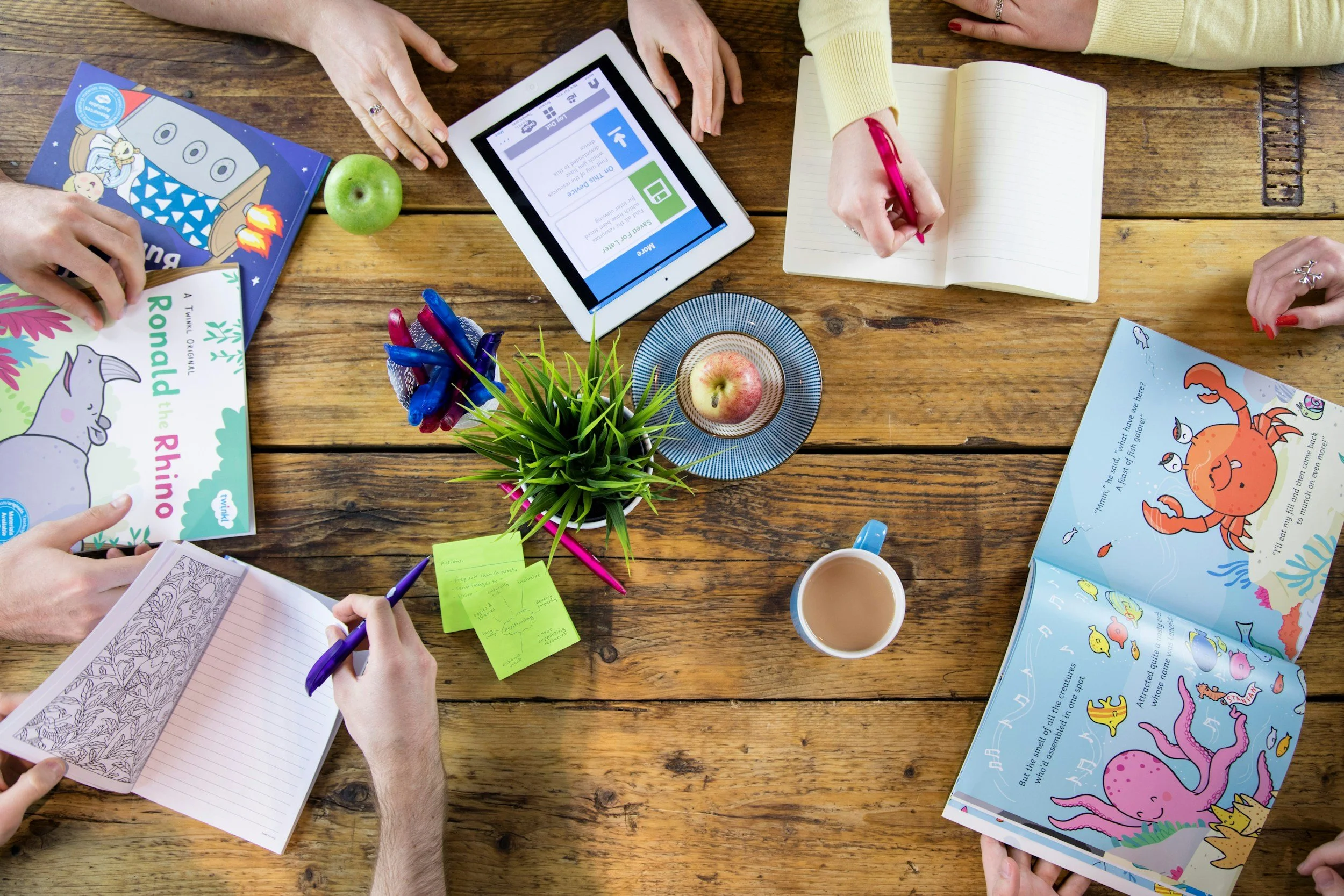
Mindful moments in the classroom, how teachers can reconnect with their bodies and create calm through co-regulation.
Dear Teachers,
You wear so many hats. In a single day, you might take on the roles of mentor, translator, crisis responder, caregiver, cheerleader, mediator, advocate, and emotional anchor, often all before lunch.
Every day, you show up , carrying your own stress and stories, to guide young people through their learning. You juggle lessons, behavioural support, curriculum goals, parent communication, IEP updates, and everything else that happens between the bells (and outside them, because we all know the work doesn’t end at 3:30 p.m.). Layered beneath all these expectations are the emotional lives of the young people in your care. We see their excitement, but also their stress, their stories, and their needs. You hold space for their joys and fears, their regulation and dysregulation, their wins and their worries. And somewhere between curriculum expectations, report card writing, and caring for others, your own nervous system often gets left behind.
It’s time to rewrite that script.
Mindfulness Isn’t Just for Students
Mindfulness is often viewed as a practice offered to students, rarely as something intentionally cultivated by educators. Yet mindfulness can take shape in many small and meaningful ways throughout the school day:
Pausing to notice your breath between lessons
Feeling your feet on the floor while speaking
Taking a mindful sip of water
Keeping your blinds open and noticing whatever weather you see outside
Use Somatic Work to Anchor in Your Body
Somatic practices are gentle, body-based tools that help us shift attention toward our internal state, specifically, our body. Often, our time at school is spent so far away from the body. When we’re busy checking off tasks, prioritizing others, and waiting until 2:00 p.m. to sit down or have lunch, we rarely have the time, resources, or energy to check inward. Let’s break that cycle with a few somatic practices:
Grounding through the senses (3-3-3): Name three things you can see, touch, and hear to bring your attention into the present moment.
Hand on heart or belly: A subtle way to anchor your breath and connect with your nervous system between interactions.
Extended exhale breathing (4-6): Inhale for four seconds, exhale for six to eight seconds.
Body scans: Bring attention through the body, noticing sensations without needing to change them (replace judgment with curiosity).
When teachers reconnect with their bodies, they model something powerful: that regulation isn’t about control, it’s about awareness and self-compassion.
Hone the Art of Co-Regulation
Co-regulation starts with you. When students are stressed, anxious, or dysregulated, the classroom mirrors that energy. But the reverse is also true: when you are grounded, whole, and centred, it creates conditions for safety and calm to spread.
I’m not telling you to be perfect, calm, or Ms. Honey all the time, it’s about noticing your own internal state and learning how to bring yourself back into regulation in real time.
Taking a breath together before starting something challenging
Naming your emotions gently (“I’m feeling rushed, let’s pause for a moment”)
Allowing students to witness you using grounding tools, so regulation becomes a shared practice rather than a top-down strategy
Rewriting Teaching to Centre Care
For too long, teaching has asked educators to pour from an empty cup. We’ve sipped from the same narrative that academic achievement is the primary measure of success. Teachers are under constant pressure to meet curriculum standards, track outcomes, and keep students “on pace.”
The truth is: students can’t learn when their mental health needs aren’t being met, and teachers can’t sustainably support students when their own well-being is running on empty.
Emotional safety, regulation, and belonging are foundations for learning, not extras. When schools intentionally create spaces where mental health and care are prioritized, students:
feel safer to take risks, ask questions, and be themselves
develop stronger self-regulation and social-emotional skills, preparing them for lifelong resilience
show more consistent academic engagement and growth
And when teachers are supported to care for themselves, they become more present, creative, and resilient.
A Closing Note
Teachers, thank you for showing up and carrying more than anyone sees. You create spaces where learning, belonging, growth, and love can happen, often against incredible odds and systemic barriers.
Remember: your nervous system is part of the classroom. When you tend to it, the whole room shifts.